Safety Net Guides & Decision Resources
Expert tips, installation guides, and the latest news on creating safer and cleaner homes across Hyderabad.
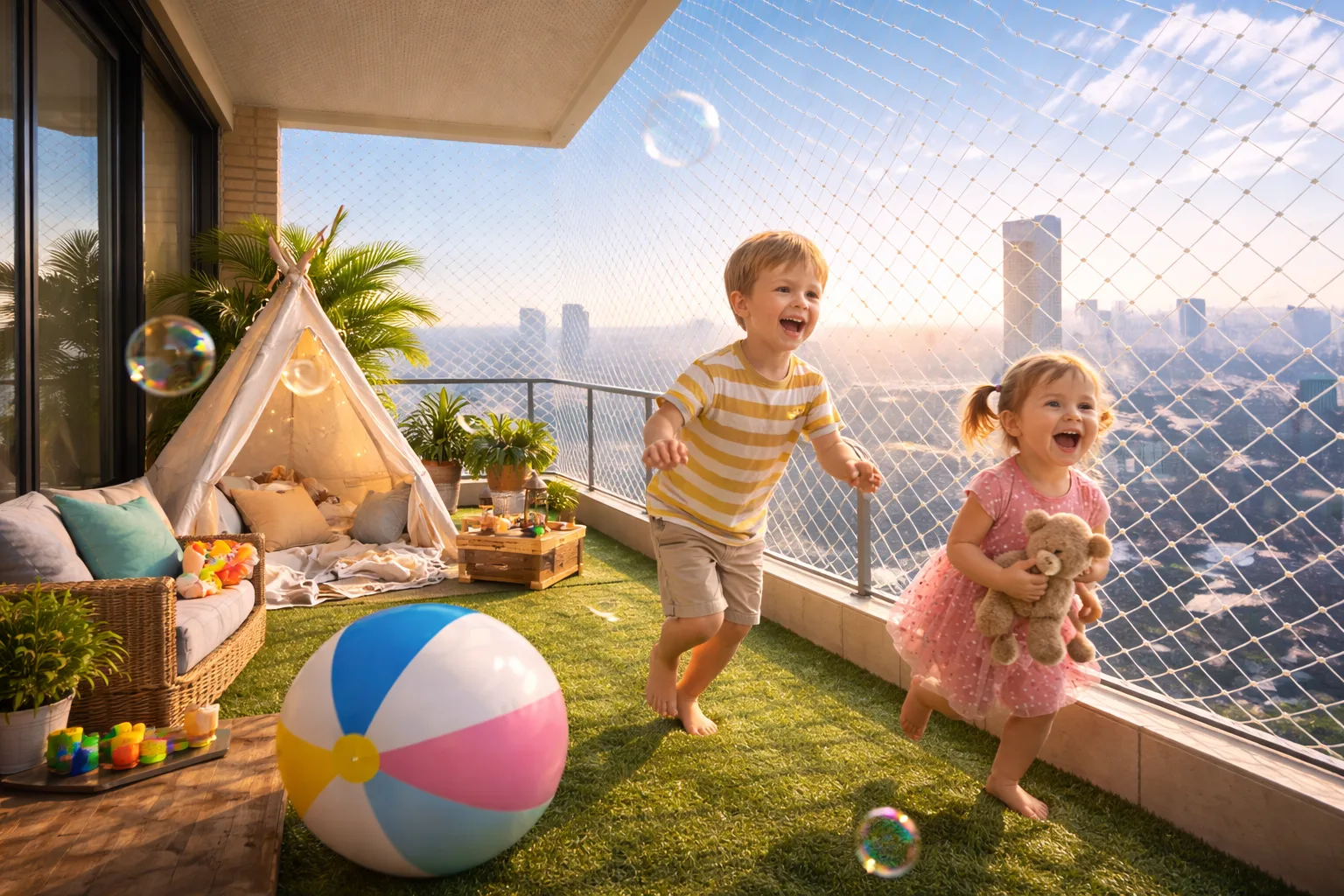
High-Rise Balcony Safety in Hyderabad: What to Check Before Adding Nets or Grills
Quick answer: High-floor balconies deserve a site-specific review because exposure, access and edge details can differ from lower floors. A net or invisible grill may be part of the plan, but the wider setup also includes railing condition, furniture placement, door control, supervision and periodic inspection.Why this topic needs site-specific planningSearch queries are useful for finding options, but the final decision still depends on the actual property, opening or activity. For Hyderabad enquiries, share clear photos, approximate dimensions, locality, access constraints and the intended use before expecting an accurate scope or quote.Map every edge and access routeDo not look only at the largest front opening. Side returns, gaps near walls, railing geometry, utility ledges and openings around pipes can create a different risk pattern. Record how people enter the balcony and where children or pets could climb, squeeze or reach beyond the normal use area.Consider height, wind and exposure during planningUpper floors can experience stronger wind and greater weather exposure. That does not justify making generic strength claims; it means the installer should inspect fixing surfaces and choose a system appropriate to the actual structure and product documentation. Loose objects, planters and drying items also need separate consideration.Choose between netting and a slim-cable barrier by applicationSafety netting and invisible grills solve different practical needs. Netting creates a mesh barrier and can also suit some bird-control requirements. Invisible grills provide a different appearance and opening pattern. Compare visibility, maintenance, access, fixing layout and intended use rather than treating one option as universally superior.Recheck the balcony after furniture or renovation changesA balcony that was reasonably arranged at installation can become riskier after adding chairs, storage boxes, planters or a swing near the edge. Reassess climbing routes and access after layout changes. Inspect the installed barrier if drilling, painting, AC work or façade maintenance occurs nearby.Planning checklistCheck railing condition and gapsMove climbable furniture away from edgesPhotograph side returns and utility openingsConfirm building rules and contractor accessDiscuss future façade/AC maintenancePlan periodic visual inspectionCommon mistakes to avoidAssuming floor height alone determines the correct productTreating a net or grill as a substitute for supervisionIgnoring furniture that creates a climbing stepFailing to recheck the barrier after nearby maintenance workRelated JBR services and guidesBalcony Safety NetsInvisible GrillsInvisible Grills vs Safety NetsBefore you request a quoteSend the service or problem, wide-angle and close-up photos, approximate measurements, your Hyderabad locality/floor and any association, landlord or access restrictions. Final material, fixing, warranty, certification, capacity or service-life claims should be confirmed from the actual product documentation and written job scope rather than assumed from generic website copy.Safety note: For children and pets, use layered safety: responsible supervision, controlled access, safe furniture placement and a suitable maintained barrier where appropriate.
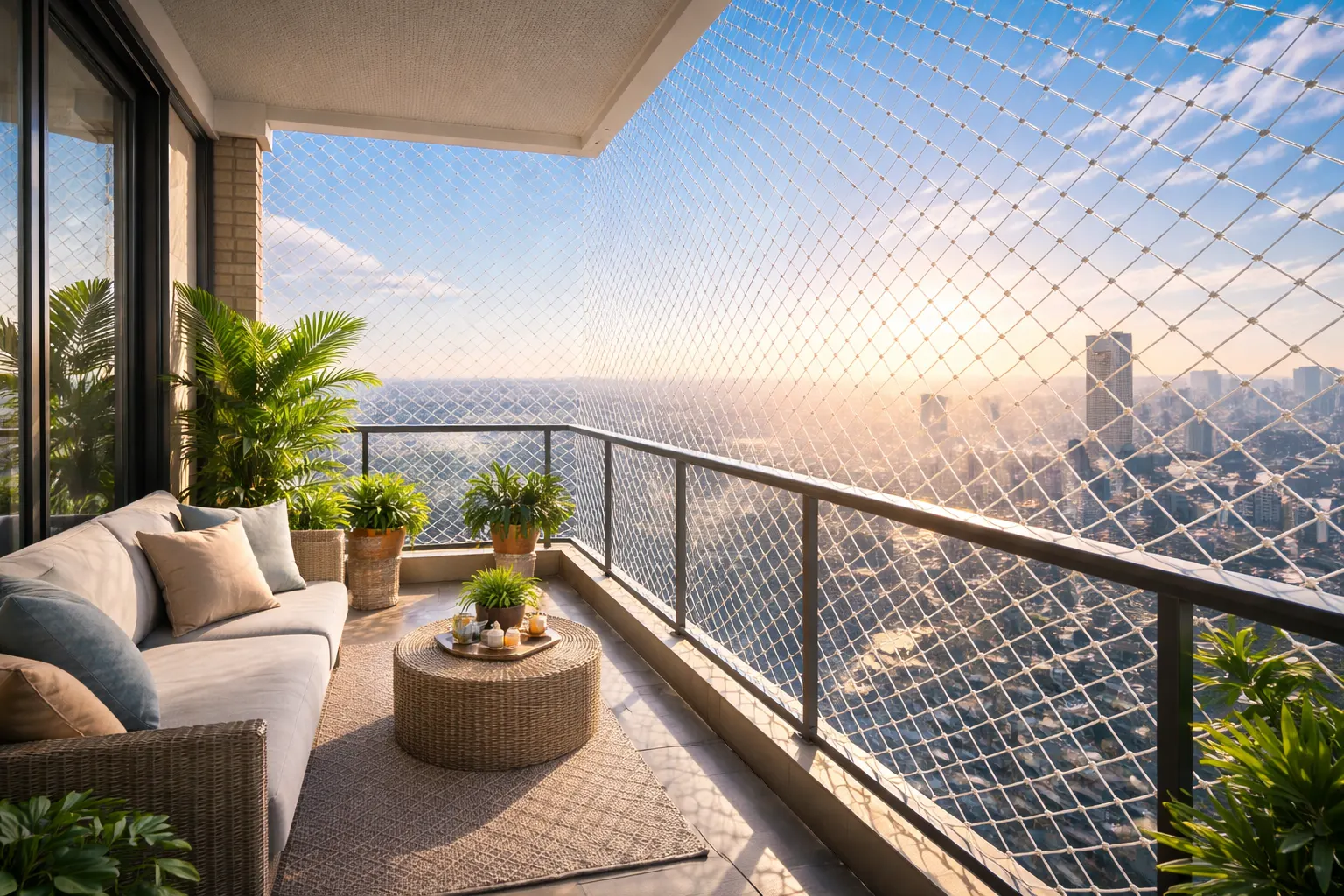
Balcony Safety Nets for Apartments in Hyderabad: Planning Guide
Quick answer: Apartment balcony safety nets should be planned around the actual opening, the people or pets using the balcony, and the surfaces available for fixing. Two flats in the same building can still need different coverage because railing design, AC piping, planter boxes, utility access and association rules vary.Why this topic needs site-specific planningSearch queries are useful for finding options, but the final decision still depends on the actual property, opening or activity. For Hyderabad enquiries, share clear photos, approximate dimensions, locality, access constraints and the intended use before expecting an accurate scope or quote.Start with the exact balcony openingMeasure the usable width and height, but also photograph corners, railing edges, ceiling slabs, side walls, pipes and any gap that changes the net path. A quote based only on floor area can miss difficult edges or service penetrations. If the balcony has two open faces or a partial wall, show the full geometry rather than only the front view.Check apartment and association restrictionsSome communities regulate façade changes, drilling locations, exterior colours or contractor access. Confirm the applicable rules before installation. Where drilling is restricted, do not assume an alternative fixing method is automatically equivalent; the installer should explain what the available structure allows and what compromises may result.Match the net to the real use caseA pigeon-exclusion net, child-safety concern and cat-proofing requirement are not identical intents. Explain who uses the balcony and what risk you are trying to reduce. For child or pet applications, furniture placement, climbing routes and door access remain important even after a barrier is installed.Plan inspection and future service accessBalconies often contain AC outdoor units, drain points, lights or façade-access zones. Decide how technicians will reach those items later. After installation, inspect the perimeter periodically and request a professional review if you notice loosened edges, damaged mesh, altered anchors or changes to the balcony layout.Planning checklistShare wide-angle and close-up photos of every open edgeProvide approximate width and height for each faceMention children, pets or pigeon-entry concernsConfirm society/landlord drilling rulesIdentify AC, plumbing and future service accessAsk for the proposed scope in writingCommon mistakes to avoidChoosing only by a per-square-foot headline without comparing scopeCovering an opening while leaving an obvious side or pipe gapPlacing climbable furniture beside a child-safety barrierBlocking AC or maintenance access with no removable planRelated JBR services and guidesBalcony Safety Nets in HyderabadBalcony Safety Checklist for FamiliesSafety Net Pricing FactorsBefore you request a quoteSend the service or problem, wide-angle and close-up photos, approximate measurements, your Hyderabad locality/floor and any association, landlord or access restrictions. Final material, fixing, warranty, certification, capacity or service-life claims should be confirmed from the actual product documentation and written job scope rather than assumed from generic website copy.Safety note: A safety net is one protective layer. It does not replace responsible supervision, safe furniture placement, maintained railings or other controls appropriate to the household.
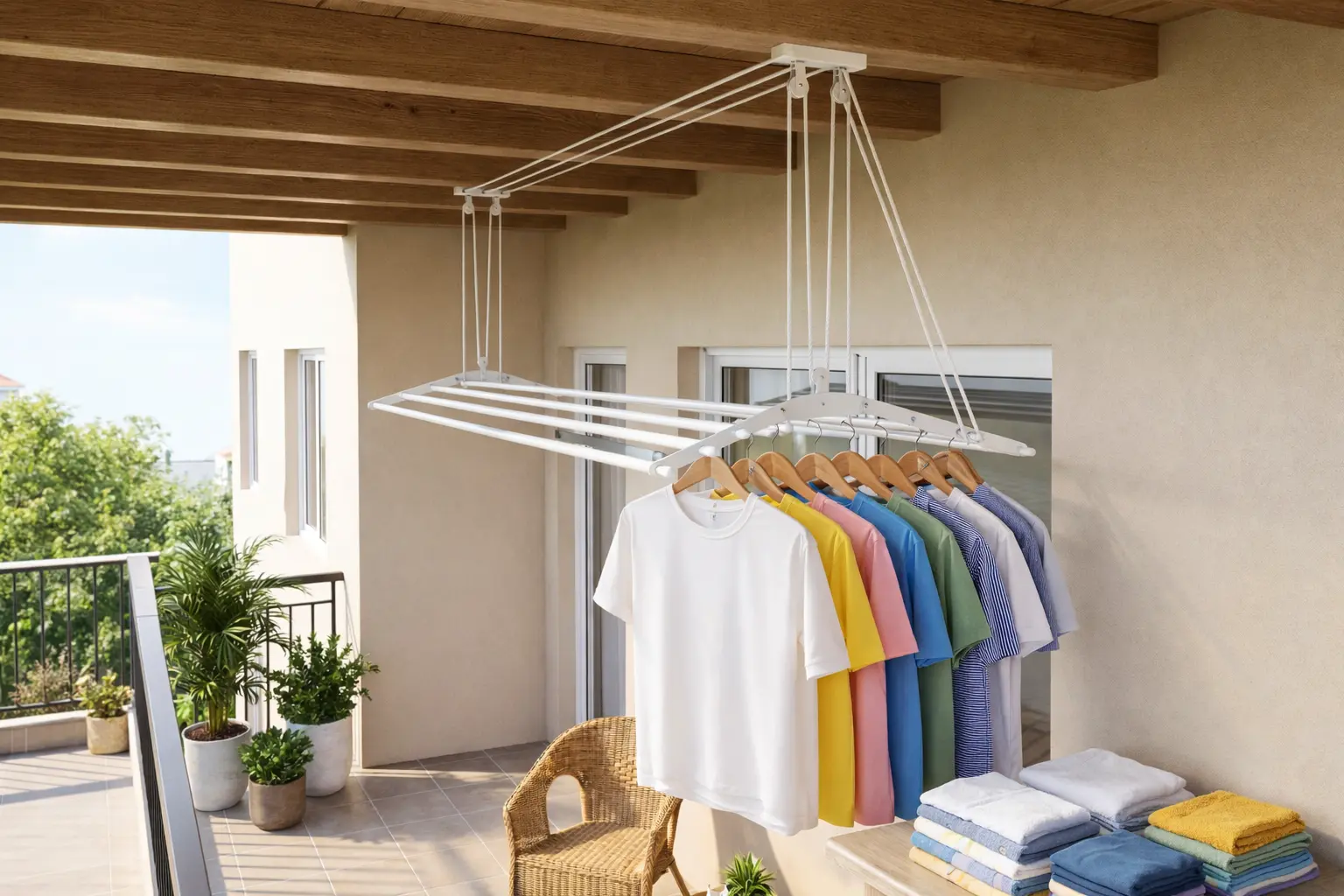
Ceiling Clothes Hangers for Apartments: Layout, Fixing & Everyday Use Guide
Quick answer: This guide is designed to help Hyderabad property owners make a better decision before requesting installation. It focuses on practical site factors, avoids unsupported guarantees, and links to the relevant JBR service pages.In this guideCheck the ceiling before choosing the hangerProtect walking and door clearanceSize for real laundry habitsTest operation before handoverCheck the ceiling before choosing the hangerA solid slab, false ceiling and finished ceiling are not equivalent fixing surfaces. The installer needs to identify where safe support can actually be taken.Practical next step: Before buying, document the actual site condition with photos and dimensions. For check the ceiling before choosing the hanger, a site-specific decision is more reliable than choosing from a generic online claim.Protect walking and door clearanceThe lowered clothes should not block the balcony door, fan, light or normal walkway more than expected.Practical next step: Before buying, document the actual site condition with photos and dimensions. For protect walking and door clearance, a site-specific decision is more reliable than choosing from a generic online claim.Size for real laundry habitsA system that looks compact but cannot handle the household’s normal drying volume will be frustrating. Consider typical garment length and load.Practical next step: Before buying, document the actual site condition with photos and dimensions. For size for real laundry habits, a site-specific decision is more reliable than choosing from a generic online claim.Test operation before handoverThe pulley should raise and lower smoothly, remain balanced and be reachable by the people who will use it.Practical next step: Before buying, document the actual site condition with photos and dimensions. For test operation before handover, a site-specific decision is more reliable than choosing from a generic online claim.Related JBR servicesCeiling Cloth HangersHow to request a useful quoteSend clear photos, approximate dimensions, your Hyderabad locality and the exact purpose of the installation. If the site has difficult access, pipes, AC equipment, unusual height or building restrictions, mention them early so the scope can be discussed accurately.Important noteAny safety-related installation should be treated as one part of a broader safety plan. Product life, strength, certification, warranty and performance claims should be confirmed against the actual material and written scope supplied for the project.
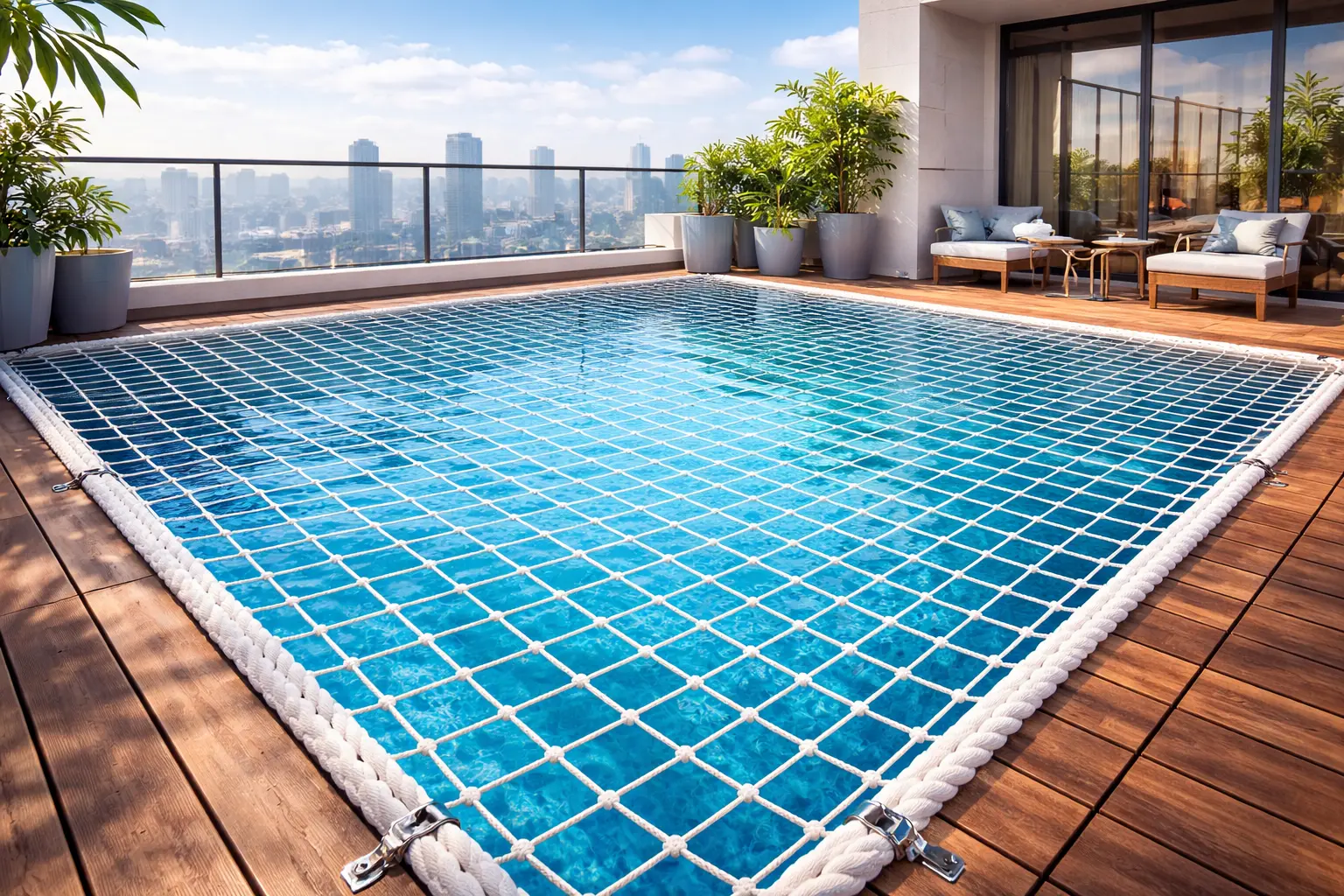
Pool Safety Is Layered: Where a Safety Net Fits and What It Cannot Guarantee
Quick answer: This guide is designed to help Hyderabad property owners make a better decision before requesting installation. It focuses on practical site factors, avoids unsupported guarantees, and links to the relevant JBR service pages.In this guideThere is no single-product guaranteeControl access firstUsability mattersInspect anchors and the barrierThere is no single-product guaranteeA pool net should never be presented as a guarantee against drowning. Effective pool safety relies on multiple controls and active supervision.Practical next step: Before buying, document the actual site condition with photos and dimensions. For there is no single-product guarantee, a site-specific decision is more reliable than choosing from a generic online claim.Control access firstDoors, gates, household rules and supervision determine who can reach the pool. A net may add another physical layer when the pool is not in use.Practical next step: Before buying, document the actual site condition with photos and dimensions. For control access first, a site-specific decision is more reliable than choosing from a generic online claim.Usability mattersIf a system is difficult to open, close or store, users may stop using it consistently. The operating routine should be part of the purchase decision.Practical next step: Before buying, document the actual site condition with photos and dimensions. For usability matters, a site-specific decision is more reliable than choosing from a generic online claim.Inspect anchors and the barrierDeck work, weather, misuse or damage can affect the system. Periodic checks should be built into the pool-maintenance routine.Practical next step: Before buying, document the actual site condition with photos and dimensions. For inspect anchors and the barrier, a site-specific decision is more reliable than choosing from a generic online claim.Related JBR servicesSwimming Pool Safety NetsHow to request a useful quoteSend clear photos, approximate dimensions, your Hyderabad locality and the exact purpose of the installation. If the site has difficult access, pipes, AC equipment, unusual height or building restrictions, mention them early so the scope can be discussed accurately.Important noteAny safety-related installation should be treated as one part of a broader safety plan. Product life, strength, certification, warranty and performance claims should be confirmed against the actual material and written scope supplied for the project.
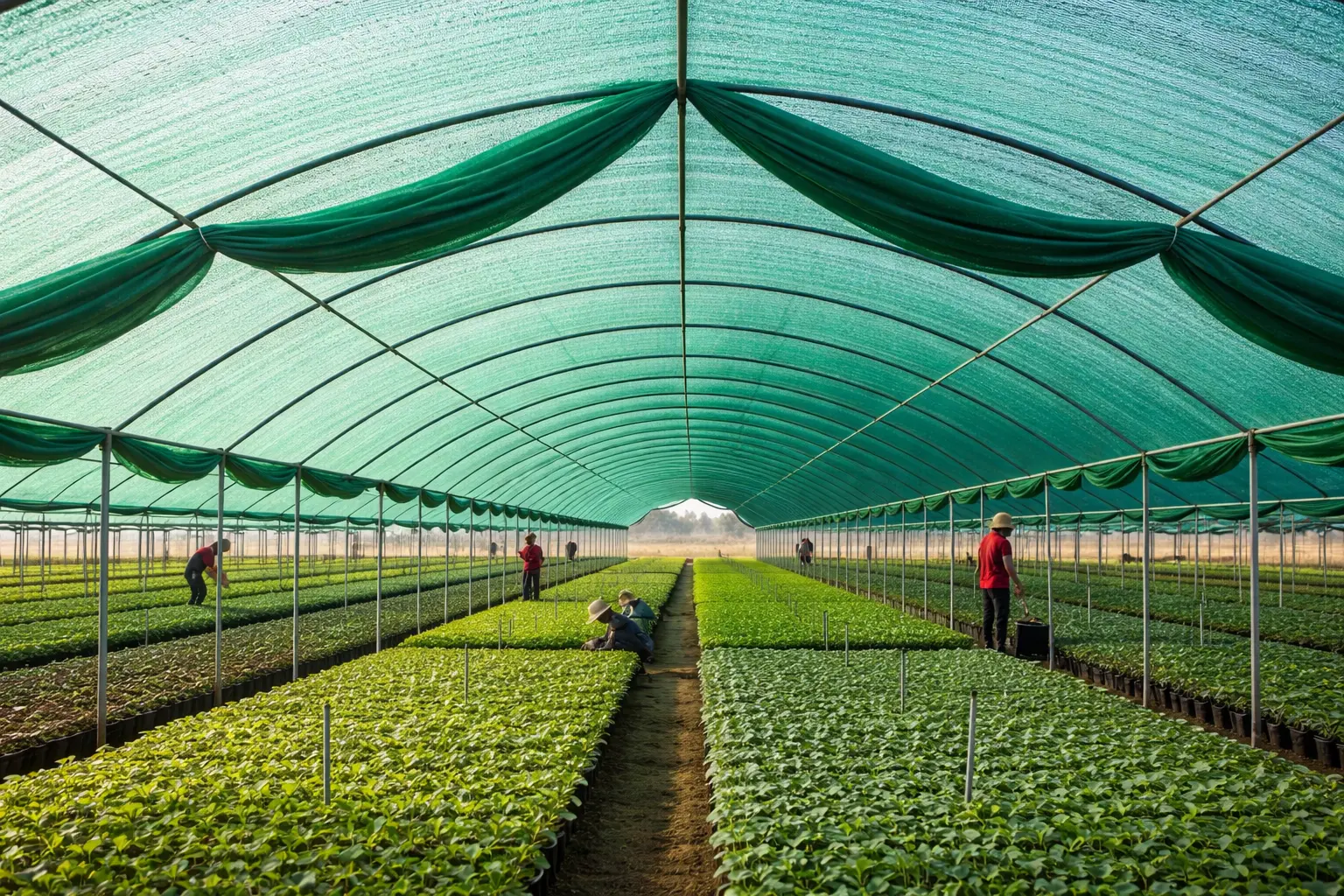
Shade Net Buying Guide for Hyderabad Terraces, Balconies & Gardens
Quick answer: This guide is designed to help Hyderabad property owners make a better decision before requesting installation. It focuses on practical site factors, avoids unsupported guarantees, and links to the relevant JBR service pages.In this guideShade is not waterproofingThe application determines the choiceWind exposure can dominate the designFor gardens, match shade to plantsShade is not waterproofingA shade net reduces direct solar exposure but should not be sold as a waterproof roof. If rain protection is the goal, discuss a different system.Practical next step: Before buying, document the actual site condition with photos and dimensions. For shade is not waterproofing, a site-specific decision is more reliable than choosing from a generic online claim.The application determines the choicePeople, plants, parked items and general terrace comfort can require different levels of shading and different layouts.Practical next step: Before buying, document the actual site condition with photos and dimensions. For the application determines the choice, a site-specific decision is more reliable than choosing from a generic online claim.Wind exposure can dominate the designLarge open spans behave like sails. Support spacing, edge fixing and the ability to remove or adjust the net may matter more than the fabric alone.Practical next step: Before buying, document the actual site condition with photos and dimensions. For wind exposure can dominate the design, a site-specific decision is more reliable than choosing from a generic online claim.For gardens, match shade to plantsPlant light requirements vary. Decide the horticultural objective before choosing coverage based only on a generic shade percentage.Practical next step: Before buying, document the actual site condition with photos and dimensions. For for gardens, match shade to plants, a site-specific decision is more reliable than choosing from a generic online claim.Related JBR servicesShade NetsHow to request a useful quoteSend clear photos, approximate dimensions, your Hyderabad locality and the exact purpose of the installation. If the site has difficult access, pipes, AC equipment, unusual height or building restrictions, mention them early so the scope can be discussed accurately.Important noteAny safety-related installation should be treated as one part of a broader safety plan. Product life, strength, certification, warranty and performance claims should be confirmed against the actual material and written scope supplied for the project.
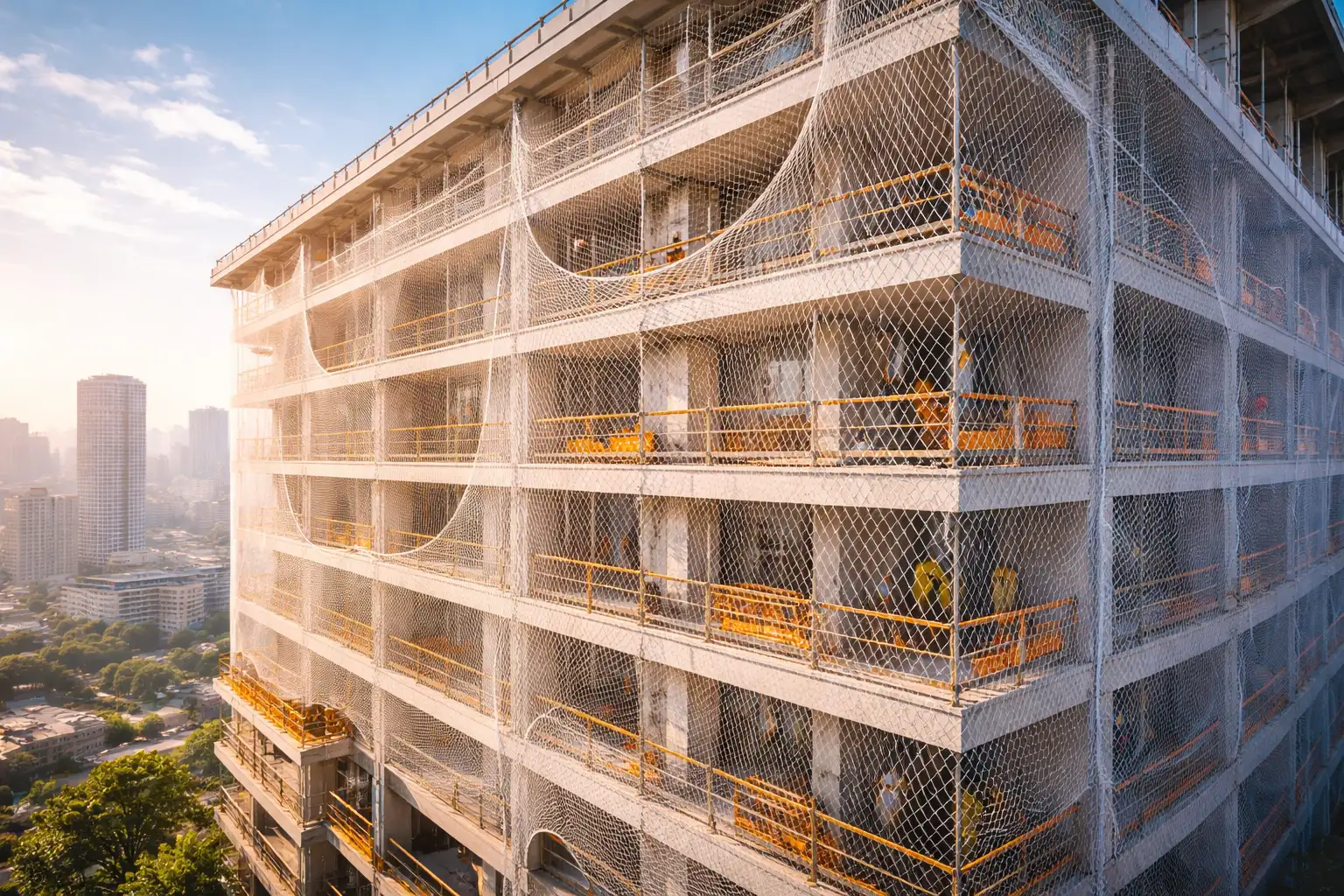
Construction Safety Netting: Questions to Resolve Before Installation
Quick answer: This guide is designed to help Hyderabad property owners make a better decision before requesting installation. It focuses on practical site factors, avoids unsupported guarantees, and links to the relevant JBR service pages.In this guideDefine the exact protection objectiveDo not mix residential and construction specificationsCoordinate with the site safety teamPlan inspection responsibilityDefine the exact protection objective“Construction net” is too broad. Clarify whether the project is discussing perimeter protection, falling-object containment, light-debris control or another application.Practical next step: Before buying, document the actual site condition with photos and dimensions. For define the exact protection objective, a site-specific decision is more reliable than choosing from a generic online claim.Do not mix residential and construction specificationsA balcony bird/safety mesh should not be assumed suitable for a construction safety function. The intended use drives specification.Practical next step: Before buying, document the actual site condition with photos and dimensions. For do not mix residential and construction specifications, a site-specific decision is more reliable than choosing from a generic online claim.Coordinate with the site safety teamNetting is only one control. Work sequencing, edge protection, PPE, exclusion zones, scaffolding and other measures belong to the project safety system.Practical next step: Before buying, document the actual site condition with photos and dimensions. For coordinate with the site safety team, a site-specific decision is more reliable than choosing from a generic online claim.Plan inspection responsibilityThe site should know who checks the installed netting, especially after weather, structural changes, impact or relocation.Practical next step: Before buying, document the actual site condition with photos and dimensions. For plan inspection responsibility, a site-specific decision is more reliable than choosing from a generic online claim.Related JBR servicesConstruction Safety NetsHow to request a useful quoteSend clear photos, approximate dimensions, your Hyderabad locality and the exact purpose of the installation. If the site has difficult access, pipes, AC equipment, unusual height or building restrictions, mention them early so the scope can be discussed accurately.Important noteAny safety-related installation should be treated as one part of a broader safety plan. Product life, strength, certification, warranty and performance claims should be confirmed against the actual material and written scope supplied for the project.
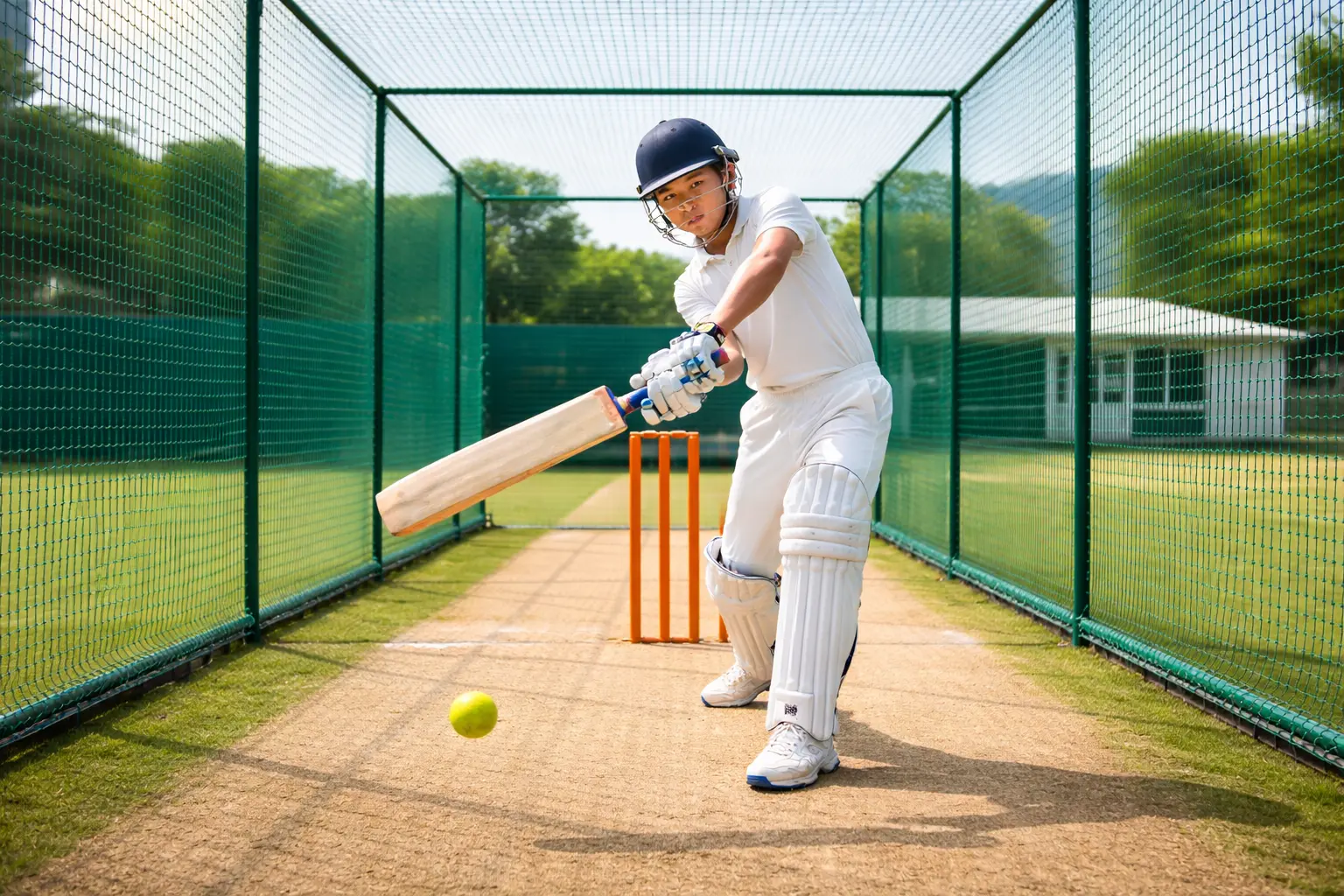
Cricket Practice Net Planning Guide: Lane Size, Height, Top Net & Ball Direction
Quick answer: This guide is designed to help Hyderabad property owners make a better decision before requesting installation. It focuses on practical site factors, avoids unsupported guarantees, and links to the relevant JBR service pages.In this guideStart with how the lane will be usedMap ball direction before choosing net heightTop coverage is site-specificSupports are part of the systemAllow practical accessStart with how the lane will be usedBatting practice, bowling practice, throw-downs, kids coaching and academy use create different space and containment needs.Practical next step: Before buying, document the actual site condition with photos and dimensions. For start with how the lane will be used, a site-specific decision is more reliable than choosing from a generic online claim.Map ball direction before choosing net heightThe critical question is where missed, edged and lofted balls can travel. Nearby roads, glass, vehicles, people and neighbouring property change the containment plan.Practical next step: Before buying, document the actual site condition with photos and dimensions. For map ball direction before choosing net height, a site-specific decision is more reliable than choosing from a generic online claim.Top coverage is site-specificA low-risk open ground may not need the same overhead arrangement as a rooftop or enclosed courtyard where lofted shots can escape.Practical next step: Before buying, document the actual site condition with photos and dimensions. For top coverage is site-specific, a site-specific decision is more reliable than choosing from a generic online claim.Supports are part of the systemExisting walls, columns, poles, roof steel and new frames all affect how the net can be tensioned and maintained.Practical next step: Before buying, document the actual site condition with photos and dimensions. For supports are part of the system, a site-specific decision is more reliable than choosing from a generic online claim.Allow practical accessPlayers, equipment and maintenance need entry points. Doors/openings should not become weak gaps in the containment layout.Practical next step: Before buying, document the actual site condition with photos and dimensions. For allow practical access, a site-specific decision is more reliable than choosing from a generic online claim.Related JBR servicesCricket Practice NetsSports NetsHow to request a useful quoteSend clear photos, approximate dimensions, your Hyderabad locality and the exact purpose of the installation. If the site has difficult access, pipes, AC equipment, unusual height or building restrictions, mention them early so the scope can be discussed accurately.Important noteAny safety-related installation should be treated as one part of a broader safety plan. Product life, strength, certification, warranty and performance claims should be confirmed against the actual material and written scope supplied for the project.
How to Pet-Proof a Balcony for Cats: Gaps, Climbing & Net Planning
Quick answer: This guide is designed to help Hyderabad property owners make a better decision before requesting installation. It focuses on practical site factors, avoids unsupported guarantees, and links to the relevant JBR service pages.In this guideThink like the catCheck mesh and edge detailsRemove launch points near the boundarySupervision still mattersThink like the catA cat may use railings, planters, AC ledges or furniture as intermediate steps. Look at vertical and side escape routes, not just the front opening.Practical next step: Before buying, document the actual site condition with photos and dimensions. For think like the cat, a site-specific decision is more reliable than choosing from a generic online claim.Check mesh and edge detailsA pet installation should consider squeezing, claws and chewing behaviour. The perimeter and lower edge deserve as much attention as the centre of the net.Practical next step: Before buying, document the actual site condition with photos and dimensions. For check mesh and edge details, a site-specific decision is more reliable than choosing from a generic online claim.Remove launch points near the boundaryTall shelves, cat trees and chairs near the edge can change the risk even after netting is installed.Practical next step: Before buying, document the actual site condition with photos and dimensions. For remove launch points near the boundary, a site-specific decision is more reliable than choosing from a generic online claim.Supervision still mattersNo physical installation can anticipate every pet behaviour or maintenance issue. Introduce balcony access gradually and inspect the barrier regularly.Practical next step: Before buying, document the actual site condition with photos and dimensions. For supervision still matters, a site-specific decision is more reliable than choosing from a generic online claim.Related JBR servicesPet Safety NetsBalcony Safety NetsHow to request a useful quoteSend clear photos, approximate dimensions, your Hyderabad locality and the exact purpose of the installation. If the site has difficult access, pipes, AC equipment, unusual height or building restrictions, mention them early so the scope can be discussed accurately.Important noteAny safety-related installation should be treated as one part of a broader safety plan. Product life, strength, certification, warranty and performance claims should be confirmed against the actual material and written scope supplied for the project.
Balcony Safety Checklist for Families in Hyderabad Apartments
Quick answer: This guide is designed to help Hyderabad property owners make a better decision before requesting installation. It focuses on practical site factors, avoids unsupported guarantees, and links to the relevant JBR service pages.In this guideKeep climbable furniture away from edgesInspect railings and gapsControl access for young childrenPlan for pets separatelyKeep the floor and drainage safeKeep climbable furniture away from edgesChairs, stools, storage boxes and planters placed beside a railing can create a climbing route. Layout is part of balcony safety even when a protective barrier is installed.Practical next step: Before buying, document the actual site condition with photos and dimensions. For keep climbable furniture away from edges, a site-specific decision is more reliable than choosing from a generic online claim.Inspect railings and gapsLook for loose components, corrosion, large gaps, damaged glass/panels and any opening created by later renovation work.Practical next step: Before buying, document the actual site condition with photos and dimensions. For inspect railings and gaps, a site-specific decision is more reliable than choosing from a generic online claim.Control access for young childrenDoor latches, supervision and household rules matter. A net or grill should be treated as an additional layer, not permission to leave a young child unsupervised.Practical next step: Before buying, document the actual site condition with photos and dimensions. For control access for young children, a site-specific decision is more reliable than choosing from a generic online claim.Plan for pets separatelyCats can climb and squeeze through spaces that may not concern an adult. Pet-proofing needs to consider the individual animal and the full boundary.Practical next step: Before buying, document the actual site condition with photos and dimensions. For plan for pets separately, a site-specific decision is more reliable than choosing from a generic online claim.Keep the floor and drainage safeStanding water, slippery tiles, loose mats and blocked drains create different balcony hazards from open edges. A complete safety check covers both.Practical next step: Before buying, document the actual site condition with photos and dimensions. For keep the floor and drainage safe, a site-specific decision is more reliable than choosing from a generic online claim.Related JBR servicesBalcony Safety NetsChildren Safety NetsPet Safety NetsHow to request a useful quoteSend clear photos, approximate dimensions, your Hyderabad locality and the exact purpose of the installation. If the site has difficult access, pipes, AC equipment, unusual height or building restrictions, mention them early so the scope can be discussed accurately.Important noteAny safety-related installation should be treated as one part of a broader safety plan. Product life, strength, certification, warranty and performance claims should be confirmed against the actual material and written scope supplied for the project.
Safety Net Maintenance: Inspection Checklist & Replacement Signs
Quick answer: This guide is designed to help Hyderabad property owners make a better decision before requesting installation. It focuses on practical site factors, avoids unsupported guarantees, and links to the relevant JBR service pages.In this guideInspect the perimeter firstLook for cuts and abrasionWatch for abnormal sagging or loose fixingsReview after other building workRepair or replace?Inspect the perimeter firstMost practical failures begin at an edge, corner, fixing point or area disturbed by another trade. Walk the entire perimeter rather than checking only the middle of the mesh.Practical next step: Before buying, document the actual site condition with photos and dimensions. For inspect the perimeter first, a site-specific decision is more reliable than choosing from a generic online claim.Look for cuts and abrasionCheck locations near metal edges, movable furniture, plant hooks, pets, AC service work and renovation activity.Practical next step: Before buying, document the actual site condition with photos and dimensions. For look for cuts and abrasion, a site-specific decision is more reliable than choosing from a generic online claim.Watch for abnormal sagging or loose fixingsA change in tension may indicate edge movement, broken rope/cable or a fixing problem. Do not simply pull or retie unfamiliar hardware without understanding the original system.Practical next step: Before buying, document the actual site condition with photos and dimensions. For watch for abnormal sagging or loose fixings, a site-specific decision is more reliable than choosing from a generic online claim.Review after other building workPainting, drilling, waterproofing, façade access, AC replacement and plumbing work can disturb an otherwise good installation.Practical next step: Before buying, document the actual site condition with photos and dimensions. For review after other building work, a site-specific decision is more reliable than choosing from a generic online claim.Repair or replace?A small isolated issue may be repairable, but widespread aging, multiple weak points, brittle material or uncertain fixing condition can make replacement more sensible. The decision should follow inspection, not a generic age claim.Practical next step: Before buying, document the actual site condition with photos and dimensions. For repair or replace?, a site-specific decision is more reliable than choosing from a generic online claim.Related JBR servicesBalcony Safety NetsPigeon Safety NetsPet Safety NetsHow to request a useful quoteSend clear photos, approximate dimensions, your Hyderabad locality and the exact purpose of the installation. If the site has difficult access, pipes, AC equipment, unusual height or building restrictions, mention them early so the scope can be discussed accurately.Important noteAny safety-related installation should be treated as one part of a broader safety plan. Product life, strength, certification, warranty and performance claims should be confirmed against the actual material and written scope supplied for the project.
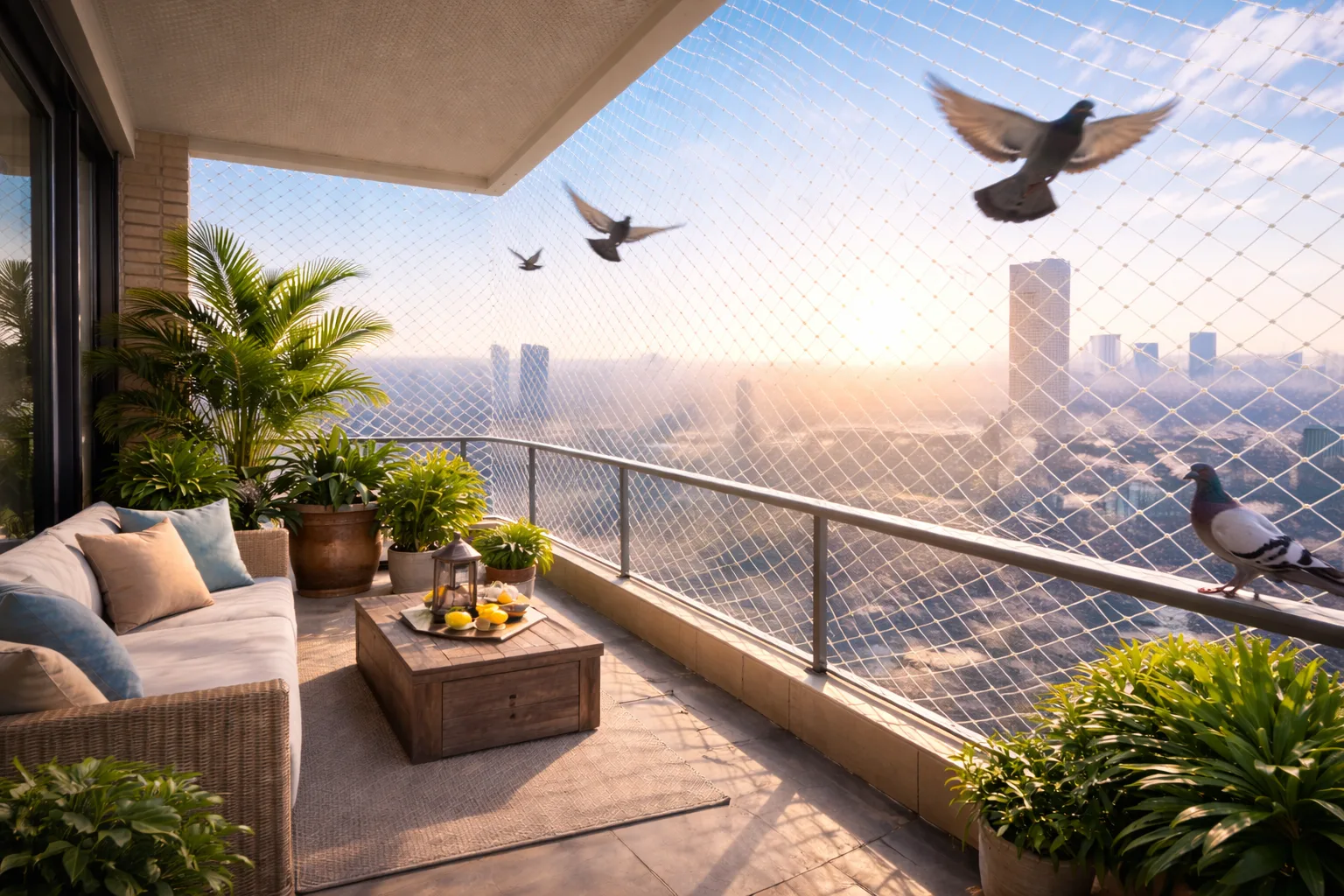
Pigeon Nets vs Bird Spikes: Where Each Bird-Control Method Works
Quick answer: This guide is designed to help Hyderabad property owners make a better decision before requesting installation. It focuses on practical site factors, avoids unsupported guarantees, and links to the relevant JBR service pages.In this guideOpening problem vs ledge problemWhy using the wrong method disappointsMixed sites may need bothMaintenance access mattersOpening problem vs ledge problemIf birds enter through a large open face, a continuous net barrier is usually the relevant concept. If the problem is a narrow ledge used for landing or perching, spikes may be the more targeted option.Practical next step: Before buying, document the actual site condition with photos and dimensions. For opening problem vs ledge problem, a site-specific decision is more reliable than choosing from a generic online claim.Why using the wrong method disappointsSpikes on one ledge will not close a balcony opening. A full net may be unnecessary if birds never enter the space and only perch on a small sign or parapet.Practical next step: Before buying, document the actual site condition with photos and dimensions. For why using the wrong method disappoints, a site-specific decision is more reliable than choosing from a generic online claim.Mixed sites may need bothSome buildings have an open balcony plus external AC or parapet ledges. A combined plan can close the entry opening while treating separate perching surfaces.Practical next step: Before buying, document the actual site condition with photos and dimensions. For mixed sites may need both, a site-specific decision is more reliable than choosing from a generic online claim.Maintenance access mattersDo not block AC units, plumbing access, drain cleaning or façade-service points without planning a removable or accessible section.Practical next step: Before buying, document the actual site condition with photos and dimensions. For maintenance access matters, a site-specific decision is more reliable than choosing from a generic online claim.Related JBR servicesPigeon Safety NetsAnti Bird NetsBird SpikesHow to request a useful quoteSend clear photos, approximate dimensions, your Hyderabad locality and the exact purpose of the installation. If the site has difficult access, pipes, AC equipment, unusual height or building restrictions, mention them early so the scope can be discussed accurately.Important noteAny safety-related installation should be treated as one part of a broader safety plan. Product life, strength, certification, warranty and performance claims should be confirmed against the actual material and written scope supplied for the project.
Invisible Grills vs Safety Nets for Balconies: Which Fits Your Use Case?
Quick answer: This guide is designed to help Hyderabad property owners make a better decision before requesting installation. It focuses on practical site factors, avoids unsupported guarantees, and links to the relevant JBR service pages.In this guideThey solve similar concerns in different waysVisibility and appearanceChildren and petsMaintenance and repairHow to decideThey solve similar concerns in different waysBoth can add a barrier at an open balcony or window, but one uses tensioned cables and the other a mesh. The decision should be based on the opening, intended user, desired view, maintenance expectations and budget.Practical next step: Before buying, document the actual site condition with photos and dimensions. For they solve similar concerns in different ways, a site-specific decision is more reliable than choosing from a generic online claim.Visibility and appearanceInvisible grills generally have a lower visual profile than conventional grills, but their cables are still visible. Safety nets create a mesh pattern that can be more noticeable at close range but often feel lighter than solid barriers.Practical next step: Before buying, document the actual site condition with photos and dimensions. For visibility and appearance, a site-specific decision is more reliable than choosing from a generic online claim.Children and petsNeither option replaces supervision. For pets, consider squeezing, climbing and chewing behaviour. For children, also address furniture placement, railing gaps and climbable objects.Practical next step: Before buying, document the actual site condition with photos and dimensions. For children and pets, a site-specific decision is more reliable than choosing from a generic online claim.Maintenance and repairNetting can be locally damaged or age over time; cable systems depend on cable, anchors and tension. Ask how each system is inspected, repaired and replaced.Practical next step: Before buying, document the actual site condition with photos and dimensions. For maintenance and repair, a site-specific decision is more reliable than choosing from a generic online claim.How to decideChoose based on actual site geometry and use. If you value a cable aesthetic and the structure suits it, invisible grills may fit. If you need flexible mesh coverage across an irregular opening, a net may be more practical.Practical next step: Before buying, document the actual site condition with photos and dimensions. For how to decide, a site-specific decision is more reliable than choosing from a generic online claim.Related JBR servicesInvisible GrillsBalcony Safety NetsChildren Safety NetsPet Safety NetsHow to request a useful quoteSend clear photos, approximate dimensions, your Hyderabad locality and the exact purpose of the installation. If the site has difficult access, pipes, AC equipment, unusual height or building restrictions, mention them early so the scope can be discussed accurately.Important noteAny safety-related installation should be treated as one part of a broader safety plan. Product life, strength, certification, warranty and performance claims should be confirmed against the actual material and written scope supplied for the project.
Safety Net Price in Hyderabad: What Actually Changes the Quote?
Quick answer: This guide is designed to help Hyderabad property owners make a better decision before requesting installation. It focuses on practical site factors, avoids unsupported guarantees, and links to the relevant JBR service pages.In this guideWhy one fixed rate can be misleadingThe main pricing inputsHow to request a useful initial quoteCompare scope, not just the final numberWhen price should not be the only filterWhy one fixed rate can be misleadingTwo openings with the same area can require different labour and fixing work. A simple accessible balcony is different from a high, irregular duct opening with pipes, limited access and multiple corners.Practical next step: Before buying, document the actual site condition with photos and dimensions. For why one fixed rate can be misleading, a site-specific decision is more reliable than choosing from a generic online claim.The main pricing inputsArea matters, but so do material specification, edge rope/cable, anchors, surface type, installation height, difficult access, removable sections and special obstacles.Practical next step: Before buying, document the actual site condition with photos and dimensions. For the main pricing inputs, a site-specific decision is more reliable than choosing from a generic online claim.How to request a useful initial quoteSend clear wide-angle photos plus close-ups of the edges, approximate width/height, floor level, locality and the purpose of the net. Photos can support an initial discussion; final pricing may still need site confirmation.Practical next step: Before buying, document the actual site condition with photos and dimensions. For how to request a useful initial quote, a site-specific decision is more reliable than choosing from a generic online claim.Compare scope, not just the final numberAsk whether the quote covers material, labour, edge finishing, access, transport, tax if applicable and any stated warranty. Written scope reduces later disagreement.Practical next step: Before buying, document the actual site condition with photos and dimensions. For compare scope, not just the final number, a site-specific decision is more reliable than choosing from a generic online claim.When price should not be the only filterChild, pet, pool and construction-related applications involve safety considerations. The lowest quote is not automatically the best if the specification, fixing method or installer access plan is unclear.Practical next step: Before buying, document the actual site condition with photos and dimensions. For when price should not be the only filter, a site-specific decision is more reliable than choosing from a generic online claim.Related JBR servicesBalcony Safety NetsPigeon Safety NetsDuct Area Safety NetsHow to request a useful quoteSend clear photos, approximate dimensions, your Hyderabad locality and the exact purpose of the installation. If the site has difficult access, pipes, AC equipment, unusual height or building restrictions, mention them early so the scope can be discussed accurately.Important noteAny safety-related installation should be treated as one part of a broader safety plan. Product life, strength, certification, warranty and performance claims should be confirmed against the actual material and written scope supplied for the project.
How to Choose Safety Nets in Hyderabad: Material, Mesh, Fixing & Installer Checklist
Quick answer: This guide is designed to help Hyderabad property owners make a better decision before requesting installation. It focuses on practical site factors, avoids unsupported guarantees, and links to the relevant JBR service pages.In this guideStart with the problem, not the product nameCheck the opening and fixing surfacesAsk what specification is actually being quotedDo not rely on unsupported strength or warranty claimsEvaluate installation qualityPlan for inspection and replacementStart with the problem, not the product name“Safety net” can mean very different things: a child-focused balcony barrier, bird-exclusion net, pet boundary, sports containment or construction application. The first step is defining the risk or use case and the opening that must be covered.Practical next step: Before buying, document the actual site condition with photos and dimensions. For start with the problem, not the product name, a site-specific decision is more reliable than choosing from a generic online claim.Check the opening and fixing surfacesRecord width, height, corners, railings, wall/ceiling edges, pipes, AC lines and anything that interrupts a continuous perimeter. Good installations are designed around the perimeter, not just the square-foot area.Practical next step: Before buying, document the actual site condition with photos and dimensions. For check the opening and fixing surfaces, a site-specific decision is more reliable than choosing from a generic online claim.Ask what specification is actually being quotedAvoid comparing only a price per square foot. Ask about the net material, mesh, rope/edge treatment, anchor or fixing method, access charges and whether difficult corners or removable access sections are included.Practical next step: Before buying, document the actual site condition with photos and dimensions. For ask what specification is actually being quoted, a site-specific decision is more reliable than choosing from a generic online claim.Do not rely on unsupported strength or warranty claimsIf a seller quotes a load capacity, certification, warranty or expected life, ask for the product documentation that applies to the material being installed on your site. Marketing numbers without traceable evidence are not a useful basis for a safety decision.Practical next step: Before buying, document the actual site condition with photos and dimensions. For do not rely on unsupported strength or warranty claims, a site-specific decision is more reliable than choosing from a generic online claim.Evaluate installation qualityConsistent tension, continuous edge coverage, clean corner detailing and sensible treatment around services matter. A strong material can still perform poorly if the perimeter is incomplete or badly fixed.Practical next step: Before buying, document the actual site condition with photos and dimensions. For evaluate installation quality, a site-specific decision is more reliable than choosing from a generic online claim.Plan for inspection and replacementUV exposure, cuts, construction work, paint jobs, pets, service technicians and aging can affect an installation. Periodic visual checks are part of ownership; no net should be treated as “fit once and forget forever.”Practical next step: Before buying, document the actual site condition with photos and dimensions. For plan for inspection and replacement, a site-specific decision is more reliable than choosing from a generic online claim.Related JBR servicesBalcony Safety NetsPigeon Safety NetsChildren Safety NetsPet Safety NetsHow to request a useful quoteSend clear photos, approximate dimensions, your Hyderabad locality and the exact purpose of the installation. If the site has difficult access, pipes, AC equipment, unusual height or building restrictions, mention them early so the scope can be discussed accurately.Important noteAny safety-related installation should be treated as one part of a broader safety plan. Product life, strength, certification, warranty and performance claims should be confirmed against the actual material and written scope supplied for the project.
25 Balcony Safety Tips Every Apartment Family Should Know
Quick Answer (Optimized for Google AI Overviews)Balcony safety involves a combination of proper maintenance, responsible daily habits, and appropriate safety measures. Keeping furniture away from railings, supervising children, preventing slips, maintaining railings, and regularly inspecting the balcony can significantly reduce common household risks. Every apartment or villa balcony should be reviewed periodically to ensure it remains a safe and enjoyable outdoor space.At a GlanceTopicSummaryReading Time18–22 MinutesBest ForApartment Owners, Families, Pet OwnersDifficultyEasyMaintenance RequiredLowSuitable ForApartments, Villas, High-Rise BuildingsUpdatedJuly 2026Why This Guide MattersWalk through almost any apartment community in Hyderabad and you'll notice that balconies are among the most frequently used spaces in a home. Some families transform them into peaceful seating areas. Others use them for gardening, drying clothes, creating children's reading corners, or simply enjoying fresh air after a busy day.Yet despite their popularity, balconies are often overlooked when it comes to routine home safety.Many homeowners focus on decorating these spaces with plants, furniture, decorative lighting, swings, or storage cabinets, but very few stop to ask an important question:"Is my balcony as safe as it could be?"This question becomes even more important when young children, elderly family members, or pets are part of the household.Balcony-related incidents are rarely caused by a single major problem. More often, they result from several small issues occurring together—such as furniture placed near railings, slippery floors after rain, loose fixtures, cluttered walkways, or a momentary lapse in supervision.The encouraging news is that many of these risks are preventable through thoughtful planning and regular maintenance.This guide brings together practical advice that homeowners, tenants, apartment associations, and property managers can apply to create balconies that are not only attractive but also safer for everyday use.Rather than focusing on products alone, we'll look at habits, maintenance routines, design choices, and long-term planning that contribute to a secure outdoor environment.Who Should Read This Guide?This article has been written for anyone responsible for maintaining or using a residential balcony.It is especially useful for: Families with toddlers or young children Parents expecting their first child Pet owners Senior citizens Apartment owners Villa owners Tenants Apartment Welfare Associations Builders and developers Property management companies Facility managers Whether your balcony overlooks a garden on the first floor or a city skyline from the twentieth floor, the principles of good safety remain largely the same.Understanding Balcony SafetyBefore discussing individual safety tips, it's helpful to understand what balcony safety actually means.Many people assume it refers only to preventing falls.In reality, balcony safety is much broader.It includes: Preventing slips and trips. Reducing climbing hazards. Maintaining structural components. Protecting children. Creating pet-friendly outdoor spaces. Managing furniture placement. Preventing objects from falling. Maintaining proper lighting. Reducing weather-related risks. Keeping the space organised and functional. When viewed this way, balcony safety becomes part of overall home maintenance rather than a one-time improvement project.Common Balcony HazardsProfessional property inspections often reveal the same recurring issues across residential buildings.Some of the most common include:Furniture Positioned Against RailingsChairs, stools, storage boxes, and benches placed close to railings may unintentionally create climbing opportunities.Slippery FlooringRainwater, algae, moss, leaking flowerpots, or recently cleaned tiles can increase the likelihood of slips.Loose RailingsOver time, fittings may loosen due to weather exposure or general wear.Routine inspection is important.Heavy Decorative ItemsLarge planters, sculptures, or storage containers positioned near edges can become unstable.Poor LightingDark balconies make it more difficult to notice obstacles during evening hours.ClutterUnused household items reduce walking space and increase tripping hazards.Bird ActivityBird nesting materials and droppings may affect cleanliness and create slippery surfaces if not cleaned regularly.Balcony Safety Tip #1Always Supervise Young ChildrenYoung children are naturally curious.A balcony offers interesting sights, sounds, moving vehicles, birds, rain, neighbouring buildings, and open space—all of which attract attention.Because children learn through exploration, they may climb furniture, lean over railings, or attempt to reach objects that appear harmless.Active adult supervision remains the most effective safety measure.Whenever children use the balcony: Stay within sight. Remove climbing aids. Keep conversations distraction-free. Close balcony access when unattended. As children grow older, gradually teach them simple balcony safety rules rather than relying solely on physical restrictions.Balcony Safety Tip #2Keep Furniture Away from RailingsMany beautifully designed balconies unintentionally create risks by placing seating directly beside the edge.Although this arrangement may maximise views, it can also encourage climbing.Consider maintaining a clear safety zone between furniture and railings.Move: Chairs Benches Coffee tables Plant stands Storage boxes Decorative stools towards the centre whenever practical.This simple adjustment significantly reduces climbing opportunities without affecting the balcony's appearance.Balcony Safety Tip #3Inspect Railings RegularlyBalcony railings experience continuous exposure to: Sunlight Rain Dust Pollution Humidity Temperature changes Over several years, these environmental factors may contribute to wear.Inspect railings every few months for: Rust Corrosion Cracks Loose fasteners Unusual movement Paint damage Water penetration around fixing points Addressing small maintenance issues early is generally simpler and more cost-effective than waiting until more extensive repairs become necessary.Balcony Safety Tip #4Prevent Slippery SurfacesBalcony floors become slippery more quickly than many homeowners realise.During Hyderabad's monsoon season, even a thin layer of moisture combined with dust or algae can reduce traction.Practical ways to minimise slip risks include: Keeping drains clear. Sweeping leaves regularly. Removing standing water. Cleaning algae promptly. Choosing slip-resistant floor finishes where appropriate. Wearing suitable footwear during cleaning. These everyday habits contribute to a safer and more comfortable outdoor space.Expert InsightOne observation repeatedly made during residential property visits is that homeowners usually invest considerable effort in making balconies beautiful—but comparatively little time in reviewing how safely those spaces function in everyday life. The safest balconies are rarely the most expensive ones. Instead, they are the ones where layout, maintenance, and daily habits have been thoughtfully planned around the people who use the space.Balcony Safety Tip #5Choose Balcony Furniture That Prioritises SafetyBalcony furniture should do more than complement your home's design—it should also support safe everyday use.Many homeowners purchase lightweight furniture because it is easy to move. However, during Hyderabad's windy weather or thunderstorms, lightweight chairs, folding tables, and decorative items may shift unexpectedly.When selecting balcony furniture, consider: Stable, well-balanced designs. Weather-resistant materials. Rounded edges instead of sharp corners. Furniture that is difficult for children to climb. Appropriate sizing that leaves sufficient walking space. Avoid overcrowding the balcony. A spacious layout is generally safer and more comfortable than trying to fit too many decorative items into a limited area.Balcony Safety Tip #6Childproof Your Balcony Before Problems OccurMany parents begin thinking about balcony safety only after their child starts crawling or walking.In reality, the safest time to review your balcony is before your child becomes mobile.Ask yourself: Can my child reach the railing? Are there chairs near the edge? Can flower pots be pulled over? Are electrical sockets protected? Are balcony doors easy for children to open? Are there decorative items within reach? Making small adjustments early often reduces future safety concerns and provides greater peace of mind.Balcony Safety Tip #7Keep Toys Off the BalconyChildren naturally associate toys with play.Leaving toys permanently on the balcony may encourage children to enter the area without adult supervision.Instead: Store toys indoors after use. Avoid ride-on toys near balcony entrances. Keep balls, scooters, and climbing toys inside the home. Designate indoor play areas whenever possible. This helps children understand that the balcony is not an unsupervised play zone.Balcony Safety Tip #8Make the Balcony Safe for PetsPets enjoy spending time outdoors just as much as people.Cats like climbing and observing birds.Dogs often enjoy relaxing in fresh air.However, balconies present unique challenges for pets.Pet owners should: Avoid leaving pets unattended for long periods. Keep food bowls away from balcony edges. Ensure climbing routes are limited. Prevent access to narrow openings. Check that decorative plants are pet-friendly. Regularly inspect the area for sharp objects. Older pets may also require additional consideration if flooring becomes slippery during rainy weather.Balcony Safety Tip #9Prepare for Hyderabad's Monsoon SeasonBalconies experience significantly different conditions during the monsoon.Heavy rainfall, strong winds, humidity, and continuous moisture affect both safety and maintenance.Before the rainy season:✔ Clean drainage outlets.✔ Remove accumulated leaves.✔ Check waterproofing.✔ Inspect flooring.✔ Secure loose decorative items.✔ Review outdoor electrical equipment.✔ Inspect balcony doors and windows.Regular seasonal maintenance prevents small issues from developing into larger problems.Balcony Safety Tip #10Check Outdoor Electrical InstallationsModern balconies often include: Decorative lighting. Ceiling fans. Water features. Outdoor sockets. Garden lighting. Because these components are exposed to changing weather conditions, regular inspection is advisable.Look for: Loose wiring. Water exposure. Damaged switches. Broken covers. Corrosion. Flickering lights. If anything appears unusual, consult a qualified electrician rather than attempting repairs yourself.Balcony Safety Tip #11Use Decorative Lighting ResponsiblyOutdoor lighting improves both appearance and functionality.However, excessive wiring, temporary extension cords, or poor-quality decorative lights may create unnecessary risks.Good practices include: Choosing weather-resistant lighting. Keeping cables organised. Avoiding overloaded extension boards. Securing loose wiring. Turning decorative lighting off when not required. A clean installation not only looks better but also simplifies maintenance.Balcony Safety Tip #12Prevent Falling ObjectsOne of the most overlooked balcony safety issues involves objects falling from height.Even relatively small items can cause serious property damage or injury below.Common examples include: Flower pots. Gardening tools. Children's toys. Decorative items. Bottles. Cleaning equipment. Whenever possible: Position heavy objects away from edges. Secure hanging planters properly. Avoid stacking items near railings. Check decorative fixtures after storms. Apartment residents also have a responsibility to consider the safety of neighbours and pedestrians below.Balcony Safety Tip #13Maintain Proper Lighting at NightA balcony that feels perfectly safe during daylight can become more hazardous after sunset.Poor visibility increases the likelihood of: Tripping. Missing steps. Colliding with furniture. Slipping on wet surfaces. Good lighting improves: Safe movement. Security. Comfort. Overall usability. Motion-sensor lighting or energy-efficient LED fixtures are often practical options for residential balconies.Balcony Safety Tip #14Inspect Flooring Every SeasonBalcony flooring experiences continuous exposure to: Sunlight. Rain. Dust. Heat. Temperature changes. Over time this may lead to: Cracked tiles. Loose flooring. Surface wear. Drainage problems. Seasonal inspections help identify these issues before they become expensive repairs.Balcony Safety Tip #15Keep Emergency Access ClearSome balconies include: Air conditioning units. Utility connections. Maintenance access points. Avoid blocking these areas with: Large cupboards. Heavy furniture. Excessive storage. Garden equipment. Maintaining clear access simplifies inspections and future maintenance work.Balcony Safety Tip #16Review Your Balcony Every Few MonthsMany homeowners only notice balcony problems after visible damage appears.Instead, create a simple inspection routine every three to six months.Review: Railings. Flooring. Furniture. Drainage. Lighting. Plants. Decorative fixtures. Outdoor electrical equipment. Storage areas. Small maintenance checks usually require very little time but can prevent larger problems later.Common Balcony Safety MistakesDuring residential site assessments, several patterns appear repeatedly.Recognising these mistakes can help homeowners avoid unnecessary risks.Treating the Balcony as a Storage RoomBalconies gradually accumulate unused furniture, paint cans, bicycles, old appliances, and miscellaneous household items.Besides reducing available space, excessive storage may create: Trip hazards. Fire hazards. Maintenance difficulties. Reduced drainage. A balcony should remain functional rather than becoming permanent storage.Ignoring Small RepairsA loose tile or minor crack may seem insignificant today.However, exposure to rain and changing temperatures can gradually worsen the issue.Addressing maintenance early is generally more practical and cost-effective.Placing Decorative Items Without PlanningLarge planters, swings, hanging lights, sculptures, and shelves should all be positioned thoughtfully.Consider: Weight. Stability. Wind exposure. Accessibility. Cleaning requirements. Thoughtful placement improves both appearance and safety.Assuming Accidents Won't HappenMany people believe balcony accidents only occur because of unusual circumstances.In reality, many incidents involve everyday situations: Wet floors. Temporary distractions. Clutter. Children climbing. Objects falling. Poor maintenance. Developing good habits significantly reduces these everyday risks.Expert PerspectiveProfessional safety planning is rarely about adding more products.Instead, it focuses on improving how people interact with their homes every day.A safer balcony often results from a combination of: Better organisation. Regular maintenance. Responsible supervision. Thoughtful furniture placement. Preventive inspections. Practical design decisions. When these elements work together, balconies become spaces that families can enjoy with greater confidence.Quick Balcony Safety ChecklistBefore finishing today's inspection, ask yourself:Are the railings secure?Is the floor dry and clean?Is furniture positioned safely?Are heavy planters stable?Are drainage outlets clear?Is lighting working properly?Are electrical fittings protected?Is clutter removed?Can children access the balcony unsupervised?Does the balcony remain comfortable to use throughout the year? If any answer is "No," it may be worth reviewing that area before the next season.Balcony Safety Tip #17Create a Balcony Safety Routine for the Entire FamilySafety should never depend on one person's memory.The best way to maintain a safe balcony is to make it part of your family's regular routine.Simple habits can make a significant difference: Check the balcony before children go outside. Close the balcony door before leaving home. Return furniture to its proper place after use. Remove toys after playtime. Wipe away rainwater when required. Keep walkways clear. When everyone follows the same routine, balcony safety becomes part of everyday living rather than something remembered only after an incident.Balcony Safety Tip #18Inspect After Every Heavy Rain or StormHyderabad experiences periods of heavy rain, strong winds, and occasional thunderstorms.After severe weather, spend a few minutes checking the balcony.Look for: Loose flower pots Fallen branches Water accumulation Blocked drainage Damaged lighting Broken decorations Loose railing components Cracked tiles Small inspections after bad weather often prevent larger maintenance issues later.Balcony Safety Tip #19Choose Safe Plants for Balcony GardensBalcony gardens improve air quality and make outdoor spaces more enjoyable.However, plant selection also affects safety.Choose plants that: Do not grow excessively heavy. Are suitable for container gardening. Do not produce excessive leaf litter. Are safe for children. Are non-toxic to pets where possible. Avoid placing large trees or oversized planters close to balcony edges.Instead, arrange plants in a way that maintains clear walking space and easy access for cleaning.Balcony Safety Tip #20Keep Balcony Drainage Clean Throughout the YearBlocked drains are one of the most common maintenance problems seen in apartment balconies.Leaves, dust, bird feathers, soil from flower pots, and household debris gradually build up inside drainage outlets.Poor drainage may result in: Standing water Slippery surfaces Water seepage Damp walls Mold growth Damage to flooring Cleaning drainage outlets regularly helps maintain both safety and the condition of the balcony.Balcony Safety Tip #21Review Balcony Safety When Your Family ChangesA balcony that worked well five years ago may not suit your family's current needs.Consider reviewing your balcony whenever: A baby is born. A child starts crawling. Children begin walking. Elderly parents move in. You adopt a pet. You renovate your home. You purchase new furniture. Changing family circumstances often require new safety considerations.Balcony Safety Tip #22Make the Balcony Comfortable Without Sacrificing SafetyMany homeowners want balconies that feel welcoming.Popular additions include: Outdoor seating Decorative lighting Vertical gardens Swings Artificial grass Coffee tables Hanging planters These features can be incorporated successfully when planned carefully.Aim for a balance between aesthetics, functionality, and safe movement throughout the space.Balcony Safety Tip #23Don't Ignore Small Warning SignsMinor issues often provide early warning before larger problems develop.Examples include: A loose screw. A cracked tile. Slight railing movement. Water stains. Rust spots. Drainage slowing down. Paint peeling around metal fixtures. Addressing these concerns promptly usually reduces repair costs and helps maintain a safer balcony.Balcony Safety Tip #24Encourage Safe Habits Instead of Creating FearChildren learn more effectively through consistent guidance than through fear.Instead of repeatedly saying:"Don't go there."Try explaining: Why the railing should not be climbed. Why toys belong indoors. Why running is unsafe on wet floors. Why objects should never be thrown from balconies. Helping children understand the reasons behind safety rules often encourages responsible behaviour as they grow older.Balcony Safety Tip #25Think About Long-Term Safety, Not Just Today's AppearanceBalcony improvements should continue providing value for many years.When making design decisions, ask yourself: Will this still be practical after five years? Will it remain easy to clean? Can children safely use the space? Is maintenance straightforward? Will this create unnecessary risks later? Good balcony design considers future use rather than only current appearance.Frequently Asked QuestionsHow often should balcony railings be inspected?A visual inspection every three to six months is a practical routine. If you notice movement, corrosion, or visible damage, arrange a professional assessment promptly.Can balcony plants become a safety concern?Yes. Large or unstable pots placed near edges, blocked walkways, and excessive water leakage may create avoidable risks. Proper placement and regular maintenance help keep the space safe.What should I do after heavy rain?Inspect drainage, remove standing water, check for slippery surfaces, secure loose decorative items, and review any signs of water damage or leakage.Why do balconies become slippery?Common reasons include rainwater, algae, dust, bird droppings, leaking flowerpots, and inadequate drainage. Regular cleaning and prompt maintenance reduce these risks.Are balconies safe for pets?Balconies can be enjoyable spaces for pets when planned carefully. Supervision, responsible furniture placement, removal of hazards, and consideration of the pet's behaviour all contribute to a safer environment.Is regular cleaning enough?Cleaning is important, but it should be combined with inspections, maintenance, and thoughtful organisation for the best long-term results.What is the biggest mistake homeowners make?Many homeowners focus only on decoration while overlooking maintenance, safe furniture placement, and routine inspections.How can apartment associations improve balcony safety?Resident awareness programmes, periodic building inspections, drainage maintenance, exterior repairs, and encouraging responsible balcony use all contribute to safer communities.Should balcony safety be reviewed after renovations?Yes. Renovations often introduce new furniture, lighting, decorative elements, or layout changes that should be assessed from a safety perspective.Can small maintenance issues become larger problems? Yes. Loose fittings, cracks, drainage problems, or corrosion generally become more difficult and expensive to repair if ignored.